
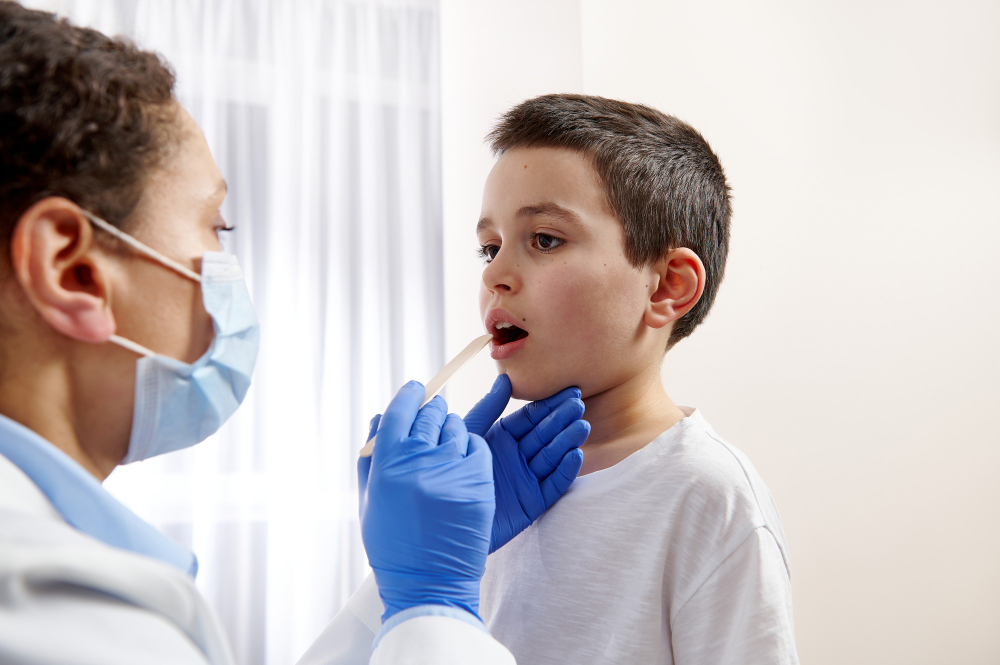
What Are Adenoids in Children?
Adenoids in children are small tissues at the back of the nose. They help fight germs, especially in young kids. However, as children grow, adenoids often shrink. In some cases, they can become enlarged and cause problems. Because adenoids are part of the immune system, they play a role in fighting infections. Yet, enlarged adenoids can block airways and lead to health issues.
Common Symptoms and Signs of Enlarged Adenoids
Enlarged adenoids can cause many symptoms. For example, children may have trouble breathing through their nose. Often, they breathe through their mouth instead. Other signs include:
Because these symptoms can affect daily life, it is important to watch for them. If you notice these signs, talk to your doctor.
Causes and Risk Factors
Several factors can cause enlarged adenoids in children. Most often, repeated infections or allergies make adenoids swell. Some children are born with naturally larger adenoids. In addition, family history can play a role. Children who attend daycare or school may also be at higher risk. This is because they are exposed to more germs.
How Are Adenoids Diagnosed?
Doctors use different methods to check adenoids in children. First, they ask about symptoms and medical history. Then, they may look inside the nose and throat using a small mirror or a flexible camera. Sometimes, an X-ray helps show the size of the adenoids. In some cases, hearing tests or sleep studies are needed. These tests help doctors decide the best treatment.
When Is Adenoid Removal (Adenoidectomy) Recommended?
Doctors may suggest adenoid removal in children when symptoms are severe or do not improve. For example, if a child has:
Because each child is different, doctors weigh the risks and benefits. Adenoidectomy is not always the first choice. However, when other treatments fail, surgery may help improve quality of life.
Treatment Options and What to Expect from Surgery
There are several ways to treat enlarged adenoids. At first, doctors may try medicines like antibiotics or nasal sprays. But if these do not work, adenoid removal in children may be needed. The surgery is called an adenoidectomy. It is a common and safe procedure. During surgery, doctors remove the adenoids through the mouth. The operation usually takes less than an hour. Most children go home the same day. Because the surgery is quick, recovery often starts right away.
Recovery, Aftercare, and Possible Complications
After adenoidectomy, children may have a sore throat or mild pain. Usually, this goes away in a few days. To help your child recover:
Most children feel better within a week. However, as with any surgery, there are risks. These include bleeding, infection, or changes in voice. Serious problems are rare. If you notice heavy bleeding, trouble breathing, or high fever, contact your doctor right away.
Prevention and Lifestyle Tips for Parents
While you cannot always prevent enlarged adenoids, some steps may help. For instance, keep your child away from cigarette smoke. Teach good handwashing habits to lower the risk of infections. In addition, make sure your child gets all recommended vaccines. If your child has allergies, manage them with your doctor’s help. Regular check-ups can catch problems early.
Summary
In summary, adenoids in children can cause many symptoms. Sometimes, adenoid removal is the right choice. If your child has ongoing problems, talk to your doctor. Early treatment can help your child breathe, sleep, and feel better.
Consult Dr Bhanu Pratap, an ENT specialist for personalized advice about adenoids in children.